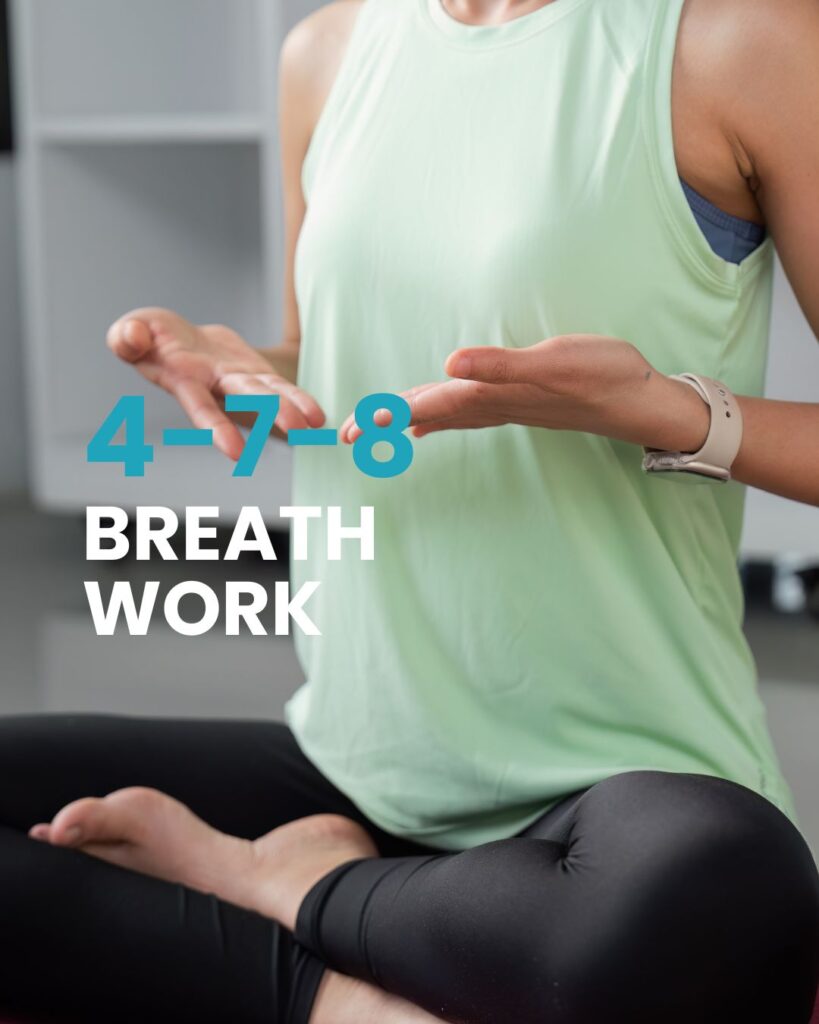
In our fast-paced world, finding a moment of calm can feel like a luxury. But what if a powerful tool for relaxation and stress relief was as close as your next breath? The 4-7-8 breathing technique, a simple yet effective practice, is gaining popularity as a natural way to calm the mind and body. Rooted in ancient traditions and embraced by modern naturopathic medicine, this technique offers a path to better health, one breath at a time.
What Is 4-7-8 Breathing?
The 4-7-8 breathing technique is a rhythmic breathing exercise developed by Dr. Andrew Weil, who describes it as a “natural tranquilizer for the nervous system”.¹ Based on the ancient yogic practice of pranayama, this method follows a specific pattern to promote a state of deep relaxation.² The technique is performed in three simple steps:
- Inhale: Breathe in quietly through your nose for a count of 4 seconds.
- Hold: Hold your breath for a count of 7 seconds.
- Exhale: Exhale completely through your mouth, making a whooshing sound, for a count of 8 seconds.
This cycle is repeated up to four times. The key is to maintain the ratio of 4, 7, and 8, not the exact duration of each count.
The Science Behind the Calm
So, how does this simple breathing exercise work? To understand its effect, it helps to know about your autonomic nervous system (ANS), which is responsible for automatic body functions like your heart rate and breathing. The ANS has two main branches that work in opposition to each other:
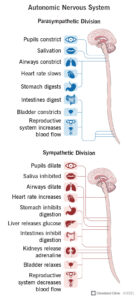
1. The Sympathetic Nervous System: This system is responsible for the “fight-or-flight” response.³ When you perceive a threat—whether it’s a real danger or a stressful email—this system kicks into gear. It increases your heart rate, sends more blood to your muscles, and quickens your breathing to prepare your body for action.
2. The Parasympathetic Nervous System: This system controls the “rest-and-digest” response.³ Its job is to calm your body down after a threat has passed, helping to slow your heart rate, lower your blood pressure, and restore a state of balance.
By forcing your mind to focus on counting and regulating your breath, the 4-7-8 technique effectively interrupts the overactivity of the sympathetic nervous system. This mindful practice helps to activate the parasympathetic nervous system, leading to a calmer state of being.⁴
Regular practice of 4-7-8 breathing has been shown to offer several benefits:
- Reduces Stress and Anxiety: By calming racing thoughts, the technique can significantly reduce feelings of anxiety and tension.¹
- Aids in Sleep: It helps the body relax, making it easier to fall asleep, especially when you’re feeling stressed or have trouble shutting down your mind at the end of the day.²
- Lowers Blood Pressure and Heart Rate: The controlled, slow breathing can lead to a reduction in both heart rate and blood pressure, promoting a sense of physical well-being.¹
Your Breath as a Tool for Wellness
The 4-7-8 breathing technique is more than just a quick fix; it’s a powerful tool for self-care. By learning this simple exercise, you gain an accessible method to take control of your nervous system and reduce the immediate physical effects of stress. It can be done discreetly at your desk, in your car before a meeting, or as part of your evening routine to wind down.
In a clinical setting, healthcare providers, including those practicing naturopathic medicine, often recommend simple yet effective tools like this. For example, at a clinic like our Temecula clinic, natural and non-invasive methods are often recommended to help patients manage daily stressors and support their overall well-being. By integrating such practices into your daily life, you empower yourself to actively participate in your own health journey.
Find Your Calm, One Breath at a Time
From ancient yogic roots to modern naturopathic clinics, the 4-7-8 breathing technique stands as a testament to the power of our own breath. It’s a simple, free, and accessible tool that can be used anytime, anywhere, to help you navigate life’s challenges with more calm and clarity.
Ready to feel in sync with your body and mind again? The power of breath is just one of many natural tools that can help.
Schedule your discovery call today and begin your journey toward a calmer, more balanced life, naturally.
Sources:
1 WebMD. “What to Know About 4-7-8 Breathing.” Retrieved from https://www.webmd.com/balance/what-to-know-4-7-8-breathing
23 Healthline. “How to Practice 4-7-8 Breathing.” Retrieved from https://www.healthline.com/health/4-7-8-breathing?utm_source=chatgpt.com#how-it-works
4 Benson, Herbert, and David N. Brown. “The Relaxation Response and the Extended Therapeutic Encounter.” Journal of the American Medical Association 291, no. 18 (2004): 2256–57.