Ever heard that rotating seeds can balance your hormones? That’s the idea behind seed cycling—using specific seeds in different menstrual phases to support estrogen and progesterone levels naturally. It’s a concept rooted in naturopathic tradition: nourishing the body with whole foods timed to its rhythms.
While evidence is still emerging, early findings, including promising clinical studies and case reports, suggest that seed cycling may benefit fertility, menstrual regularity, and hormone-related symptoms such as fatigue, acne, and mood shifts. At our Temecula naturopathic clinic, we integrate seed cycling into broader lifestyle and nutrition support, helping you tune into your cycle and trust your body’s inner wisdom.
What Is Seed Cycling?
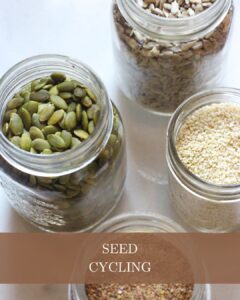
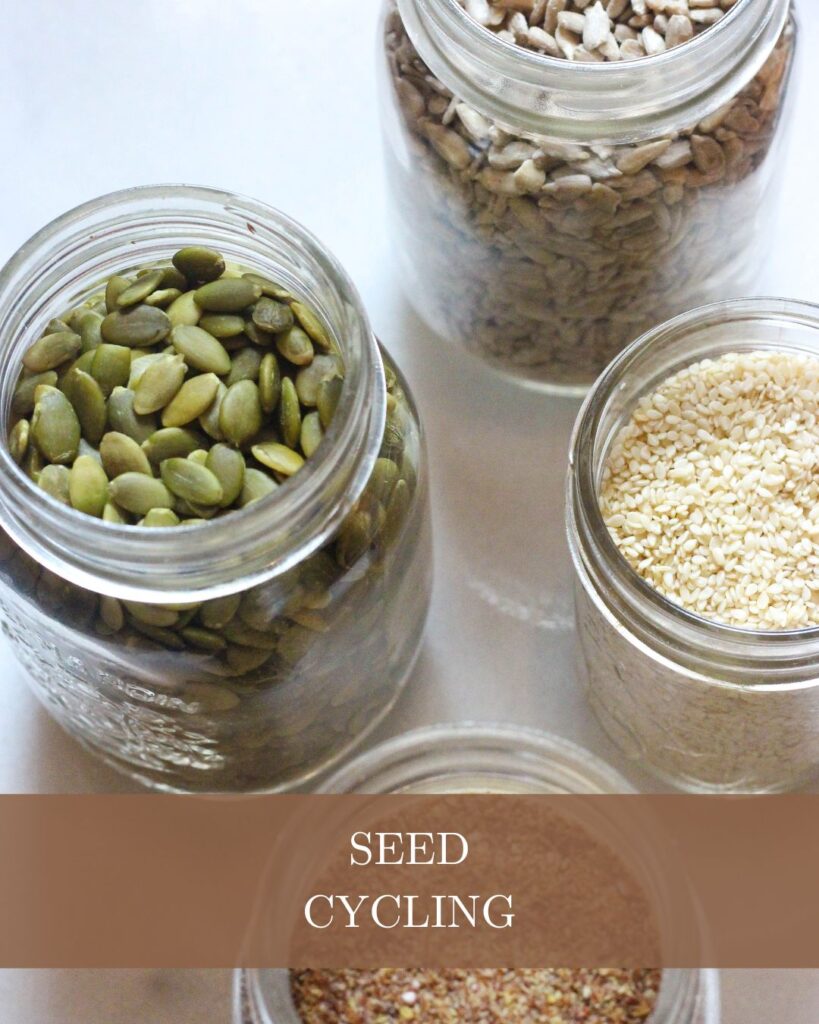
Seed cycling involves:
- Follicular phase (Days 1–14): 1–2 tablespoons each of ground flaxseed and pumpkin seeds.
- Luteal phase (Days 15–28): 1–2 tablespoons each of ground sesame and sunflower seeds.
The concept: flax and pumpkin support early-cycle estrogen metabolism, while sesame and sunflower gently support progesterone balance naturally and are food-based.
What Does the Research Say?
When it comes to seed cycling, there’s growing interest but limited direct clinical evidence. Most of the support comes from nutritional science on the individual seeds themselves and how they may influence hormones, inflammation, and metabolism.
A 2023 systematic review highlighted the role of flaxseeds in women’s health, noting their rich lignan content, which can act as phytoestrogens—plant-based compounds that bind to estrogen receptors and may help balance estrogen levels during different phases of the menstrual cycle. The review suggested potential benefits for reducing menopausal symptoms, improving lipid profiles, and even modulating menstrual cycle regularity, though more randomized controlled trials are needed to confirm these effects.¹
Similarly, pumpkin and sunflower seeds are excellent sources of vitamin E, zinc, and selenium—nutrients tied to ovarian health, hormone production, and antioxidant support. A 2025 narrative review on seed-based interventions discussed how these micronutrients can influence fertility markers, luteal phase support, and protection against oxidative stress, which is often elevated in hormonal imbalances.²
While no large-scale trials have directly tested “seed cycling” as a structured protocol, the nutritional building blocks of the practice have scientific backing. For example:
- Flax and sesame seeds contain lignans, which may help modulate estrogen metabolism.
- Pumpkin seeds are rich in zinc, which supports progesterone production.
- Sunflower seeds provide selenium, an important cofactor for thyroid function, often tied to reproductive health.
In naturopathic practice, this means seed cycling isn’t positioned as a cure-all but as a food-based, low-risk strategy that aligns with what we know about diet and hormone support. By encouraging nutrient-dense seeds in a cyclical rhythm, we’re layering traditional wisdom with emerging nutritional science.
That said, more well-designed human studies are needed to determine whether seed cycling as a complete protocol can meaningfully impact menstrual regularity, PMS symptoms, or perimenopausal transitions. For now, it’s best viewed as part of a broader lifestyle approach to hormone balance, alongside stress management, gut health support, sleep hygiene, and individualized naturopathic care.
Naturopathic Perspective: Integrating, Not Isolating
At our Temecula naturopathic clinic, seed cycling serves as one component within a comprehensive, individualized care plan:
- Whole-person focus: Foundations like whole-food nutrition, stress management, movement, and sleep.
- Targeted support: Seed cycling combines seamlessly with herbal support, functional lab testing, and personalized meal plans.
- Empowered pacing: Encouraging women to reconnect with their cycle, rather than seeking instant fixes.
Seed cycling isn’t the star of the show, but it can be a gentle, intuitive practice that nourishes rhythm and resilience.
Practical Tips for Seed Cycling
- Grind seeds fresh for better absorption. Use them in smoothies, salads, or snacks.
- Stick to measurable portions, such as 1–2 tablespoons per seed group per day.
- Cycle adaptively. Adjust seed phases if your cycle is shorter or irregular.
- Track changes like PMS, mood, cycle length, or energy over 2–3 cycles.
- Pair with foundational wellness, not expectations. Hormone balance is multifactorial, not seed-dependent.
Balance, Not Magic
Seed cycling taps into naturopathic values—whole-food nourishment, gentle rhythm, and cycle awareness. Though the science is limited, preliminary evidence in PCOS is promising and supports using it as part of a compassionate, sustainable approach to hormone support.
At our clinic, seed cycling becomes a meaningful ritual—not a silver bullet. Together, we layer in lifestyle, mindset, nutrition, functional labs, and herbal therapies to cultivate lasting hormone harmony.
Ready to nurture your inner rhythm with informed support?
Schedule your discovery call today and let’s co-create your balanced path forward.
Sources:
¹ Effectiveness of combined seeds (pumpkin, sunflower, sesame, flaxseed): As adjacent therapy to treat polycystic ovary syndrome in females. Food Science & Nutrition. 2023. Retrieved from https://www.ncbi.nlm.nih.gov/articles/PMC10261760/
² Seed Cycling and Hormonal Balance: A Case Study of Successful Fertility Intervention in Polycystic Ovarian Syndrome. Journal of Pharmacy & Bioallied Sciences. 2025. Retrieved from https://www.ncbi.nlm.nih.gov/articles/PMC12156535/