
When you think about the immune system, you might picture white blood cells fighting infections or vaccines helping to build resistance. But did you know that much of your immune strength actually starts in the gut?
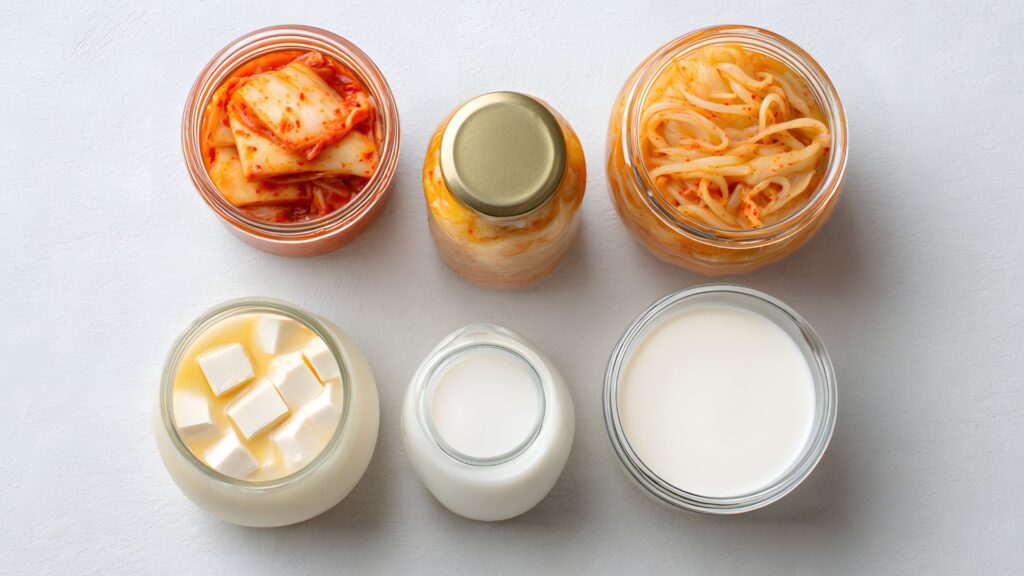
Probiotics, the beneficial bacteria found in foods and supplements, play a central role in keeping your digestive and immune systems balanced. They support the gut microbiome, which communicates closely with immune cells, helping your body defend against harmful invaders while keeping inflammation in check.
So, the big question is: Can probiotics really improve immune health? Let’s look at the evidence.
What Are Probiotics?
Probiotics are live microorganisms, often referred to as “good bacteria,” that provide health benefits when consumed in adequate amounts. Common probiotic strains include:
-
Lactobacillus – found in yogurt, kefir, and fermented vegetables.
-
Bifidobacterium – present in some dairy products and supplements.
-
Saccharomyces boulardii – a beneficial yeast used in supplements.
These organisms help restore balance in the gut microbiome, which is often disrupted by stress, antibiotics, processed foods, or illness.
Probiotics & the Immune System
1. Gut-Immune Connection
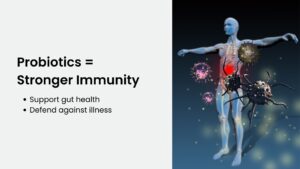
Around 70% of the body’s immune cells reside in the gut. Probiotics interact with these cells, influencing how the body responds to infections and inflammation.¹
2. Reduced Respiratory & GI Infections
A meta-analysis found that people taking probiotics had fewer and shorter respiratory tract infections compared to those who didn’t.² Another review noted that probiotics can lower the risk of diarrhea caused by infections or antibiotics.³
3. Immune Modulation
Specific probiotic strains have been shown to enhance immune function by increasing natural antibody (e.g. IgA) production and promoting T-cell activation and regulation.⁴ In other words, they help fine-tune your immune response, boosting defense against pathogens without overstimulating inflammation.
4. Anti-Inflammatory Benefits
Probiotics can help regulate immune responses by promoting anti-inflammatory cytokines and balancing gut microbiota. This modulation may reduce chronic low-grade inflammation, a key factor linked to infections, autoimmune conditions, and metabolic disorders.⁵
Simple Translation: Probiotics don’t just improve digestion. They “train” your immune system to respond effectively while preventing overreactions.
Supporting Immunity with Probiotics
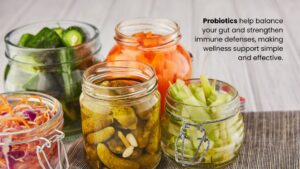
Adding probiotics into your wellness plan can be simple and effective. Here’s how we approach it in naturopathic care:
1. Choose Food First
-
Yogurt with live cultures
-
Kefir
-
Sauerkraut, kimchi, miso, and other fermented foods
2. Use Targeted Supplements
-
Look for multi-strain formulas containing Lactobacillus and Bifidobacterium.
-
Use clinical-grade supplements if immune challenges or gut issues are ongoing.
3. Feed the Good Bacteria
-
Prebiotics (fiber from garlic, onions, asparagus, bananas, and oats) help probiotics thrive.
4. Lifestyle Synergy
-
Sleep, stress reduction, and a whole-foods diet all work alongside probiotics to keep the immune system strong.
Practical Steps You Can Try
If you want to naturally support your immune system, consider these starting points:
-
Add one serving of fermented food to your daily diet.
-
Take a high-quality probiotic supplement during cold and flu season.
-
Pair probiotics with prebiotic-rich foods for maximum benefit.
-
Stay consistent. Benefits often build over weeks, not days.
Probiotics as Allies for Immune Strength
Research shows probiotics can be powerful allies for immune health by balancing the gut microbiome, reducing infections, and calming inflammation. While they’re not a cure-all, they are a safe and evidence-based way to give your immune system extra support, especially during times of stress or seasonal illness.
At our Temecula naturopathic clinic, we integrate probiotics with nutrition, lifestyle changes, and personalized care to help patients build lasting resilience.
Struggling with low immunity or frequent infections?
Schedule your discovery call today and explore natural, science-based strategies to strengthen your defenses.
Sources:
¹ Belkaid, Y., & Harrison, O. J. (2017). Homeostatic immunity and the microbiota. Immunity, 46(4), 562–576.
Retrieved from https://pmc.ncbi.nlm.nih.gov/articles/PMC8001875/
² Hao, Q., et al. (2022). Probiotics for preventing acute upper respiratory tract infections. Cochrane Database of Systematic Reviews. Retrieved from https://pubmed.ncbi.nlm.nih.gov/36001877/
³ Goldenberg, J. Z., et al. (2017). Probiotics for the prevention of Clostridium difficile-associated diarrhea in adults and children. Cochrane Database of Systematic Reviews. Retrieved from https://pubmed.ncbi.nlm.nih.gov/29257353/
⁴ Plaza-Díaz, J., et al. (2019). Mechanisms of action of probiotics. Advances in Nutrition, 10(suppl_1), S49–S66.
Retrieved from https://pmc.ncbi.nlm.nih.gov/articles/PMC4006993/
⁵ Plaza-Diaz, J., et al. (2019). Mechanisms of action of probiotics. Nutrients. Retrieved from https://pubmed.ncbi.nlm.nih.gov/30721959/