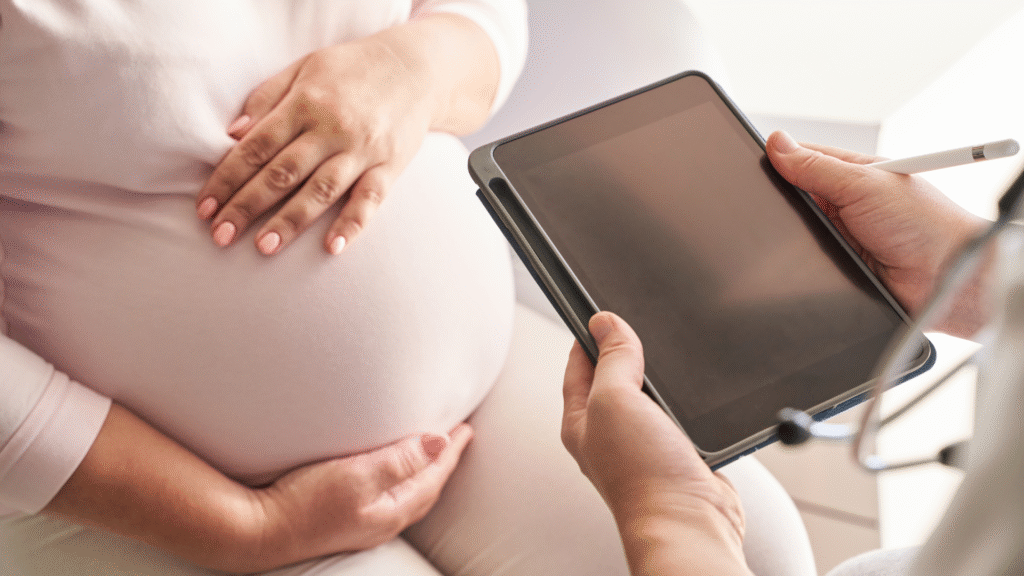
Bringing a new life into the world is one of the most profound experiences, and the journey begins long before a positive test. Supporting a healthy pregnancy naturally requires intentional choices about your lifestyle, diet, and environment, ideally beginning during the preconception period. By viewing your body as a “house” that you are preparing for a special guest, you can ensure the healthiest possible foundation for your baby’s development, an analogy used by Dr. Aparna Sridhar, a UCLA Health obstetrician-gynecologist.¹
The key to a successful, naturally supported pregnancy lies in preparing your body and mind, minimizing exposures to potential harm, and optimizing your nutritional status. While working closely with a healthcare provider for prenatal care is essential, simple, evidence-based natural steps, from optimizing nutrition to reducing stress, can foster a thriving pregnancy.

1. Optimize Your Nutrition and Diet
A healthy diet during pregnancy is a cornerstone of prenatal health, ensuring the developing fetus receives all the necessary nutrients. The focus should be on a balanced intake of whole foods.
The Foundational Diet. Prioritize a variety of foods including:
- Fruits and Vegetables: These provide essential vitamins, minerals, and antioxidants.
- Whole Grains: Important sources of fiber and energy.
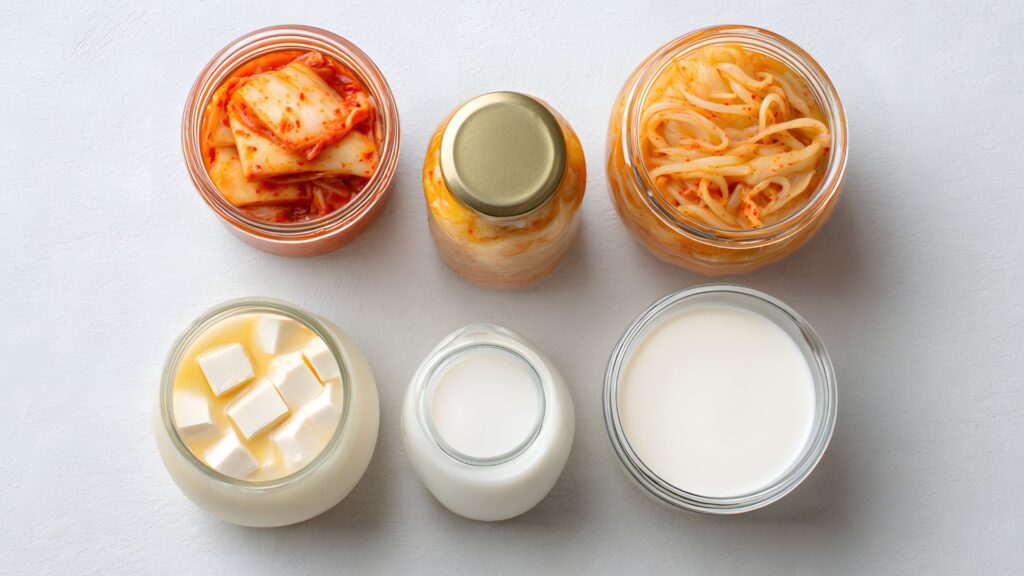
- Low-Fat Dairy Products: Crucial for calcium and vitamin D.
In addition to these foods, remember to drink plenty of water to maintain adequate hydration.
Safe Eating Practices. During pregnancy, certain foods pose a risk due to the potential for bacterial or parasitic infection. To practice safe eating, it is advised to avoid:
- Raw Fish, Undercooked Meat, and Deli Meat: These carry a risk of contamination.
- Unpasteurized Cheeses: Specifically, certain types of feta, blue cheese, and Mexican-style soft cheeses that have not been pasteurized. Always check the label to confirm the cheese is pasteurized.²
Managing Seafood and Caffeine. Fish is a healthy source of omega-3 fatty acids, but some varieties contain methylmercury, which can harm a fetus’s developing nervous system. The U.S. Food and Drug Administration (FDA) recommends that pregnant women can safely eat up to 12 ounces per week of fish and shellfish with low levels of methylmercury (such as salmon, canned light tuna, and shrimp). Albacore (“white”) tuna should be limited to 6 ounces or less per week, and fish with high levels of methylmercury, like swordfish, king mackerel, and shark, should be avoided entirely.³
Caffeine intake should also be moderated. Both women attempting conception and those who are pregnant are generally advised to limit their caffeine consumption to about 200 milligrams per day, which is roughly the amount found in one 12-ounce cup of coffee.²
2. Maintain a Healthy Weight and Nutritional Status
Before and during pregnancy, maintaining a healthy body mass index (BMI) is crucial for both fertility and pregnancy outcomes.¹ ²
Preconception BMI Goals. If you are planning to conceive, a good goal is to have a BMI between 20 and 35. A BMI higher than 35 or less than 20 can potentially make conception less likely, and excess weight can also affect sperm count in men.¹
Healthy Gestational Weight Gain. Weight gain during pregnancy is a natural and necessary process, but the recommended amount varies based on the pre-pregnancy weight. Talk to your health care provider about the right amount of weight gain for you. General guidelines suggest:
- Underweight (BMI less than 18.5): Gain between 28 and 40 pounds.
- Normal Weight (BMI between 18.5 and 24.9): Gain between 25 and 35 pounds.
- Overweight (BMI 25 to 29.9): Gain between 15 and 25 pounds.
- Obesity (BMI more than 30): Gain between 11 and 20 pounds.
Excessive weight gain during pregnancy increases the risk for gestational high blood pressure, cesarean section, and large-for-gestational-age infants.³
Essential Nutrients. Be sure to discuss your overall nutrition status, including iron and vitamin B12 levels, with your healthcare provider. Iron-deficiency anemia is common in pregnancy and is associated with low birth weight and preterm birth. Iron supplements may be recommended if you are screened and found to be anemic. If you follow a vegan diet, your provider may also recommend a vitamin B12 supplement, though vegetarians often get enough by eating eggs and dairy products.³

3. Eliminate Environmental Toxins and Risky Substances
Treating your body like a “clean house” means keeping harmful pollutants out, especially during the critical periods of conception and fetal development.¹
Absolute Avoidance: Tobacco, Alcohol, and Cannabis. The cessation of smoking is vital, as tobacco has adverse effects on fertility for both men and women. Both high levels of alcohol consumption and the use of cannabis are best avoided when attempting pregnancy. Women should quit drinking entirely during the preconception period and pregnancy. The use of alcohol, tobacco, and other drugs during pregnancy has been linked to serious adverse outcomes, including an increased risk of stillbirth.¹ ²
Medication Safety. Always check with a physician about the safety of any prescription or over-the-counter medications you are taking or considering. The use of prescription opioids, for instance, has been associated with negative infant outcomes.²
Work and Home Environment. Exposure to certain chemicals and substances can be harmful to a developing fetus and should be minimized or eliminated.²
- Solvents: Chemicals like alcohols, degreasers, and paint thinners can give off fumes or be absorbed through the skin, potentially causing miscarriage, slowing fetal growth, or causing birth defects and preterm birth. If you may be exposed to solvents in the workplace, speak with your employer and health care provider. Whenever you use solvents, ensure the area is well-ventilated, wear protective gear (like gloves and a face mask), and do not eat or drink in the work area.
- Heavy Metals: Exposure to lead is a known risk and should be avoided.
- Radiation: High radiation exposures are extremely dangerous to the developing fetus, and precautions should be taken to ensure your environment is safe.

4. Prioritize Overall Health and Well-being
Beyond diet and avoiding toxins, several simple, preventative health measures contribute significantly to a healthy pregnancy.
Preventing Infections. Certain infections can negatively impact the pregnancy or the fetus. Vaccinations can protect against many infections that can affect the mother’s health, the pregnancy, and the newborn child. It is a good practice to review your vaccination history with your healthcare provider as part of your pre-pregnancy care, as some vaccines need to be given before conception.³
Dental Health. Hormonal changes during pregnancy can increase blood flow and make gums more prone to inflammation or infection. It is important to maintain your regularly scheduled dental checkups. Research has shown that receiving dental care during pregnancy does not increase the risk of preterm birth or other adverse outcomes.³
Listen to Wisdom. Alternative medical forms and cultural wisdom may offer additional tips and tricks for enhancing natural fertility. While they may not always have the most rigorous scientific evidence, listening to the “dos and don’ts” that women have followed for generations in different cultures may be wise to consider.¹
By taking these natural, proactive steps in preconception and throughout the prenatal journey, from cleaning up your diet and environment to addressing nutritional needs, you are giving your baby the best possible start. Always consult your healthcare provider to tailor these recommendations to your specific needs.
Next Steps: Making the Commitment
A healthy pregnancy is built on a foundation of preparation, beginning with simple, intentional choices you make every day. By treating your body like the precious environment it is—a “house” for your baby—you empower yourself to make the best decisions for both your health and your child’s future.
This journey is yours, but you don’t have to navigate it alone. The most important step you can take is to bring your healthcare team into the process.
Ready to start building the healthiest foundation for your baby?
Schedule your preconception or first prenatal visit today to personalize your nutrition, safety, and wellness plan.
Sources:
¹ UCLA Health. (2023). Natural Fertility 101. Retrieved from https://www.uclahealth.org/news/article/natural-fertility-101
² Johns Hopkins Medicine. (2023). Healthy Pregnancy Guide. Retrieved from https://www.hopkinsmedicine.org/-/media/patient-education/documents/patient-guides/healthy-pregnancy-guide-smh.pdf
³ Eunice Kennedy Shriver National Institute of Child Health and Human Development (NICHD). (2023). Preconception Care and a Healthy Pregnancy. Retrieved from https://www.nichd.nih.gov/health/topics/preconceptioncare/conditioninfo/healthy-pregnancy