Mammogram Vs. Ultrasound

Dr. Alisha Bhatia explains the differences between mammograms and ultrasounds for breast health, highlighting the benefits of each for early detection and prevention.

Both breast ultrasound and mammogram have their unique advantages and limitations, and the decision on which one is \”better\” depends on the specific clinical scenario and the recommendation of a qualified healthcare professional.

Deciding the best diagnostic tool depends on various factors, including the purpose of the exam, the patient\’s age, breast density, and the presence of any breast symptoms or abnormalities. 

Mammography is the most commonly used screening tool for breast cancer and is recommended as a routine screening method for most women starting at the age of 40 or earlier in some cases, depending on individual risk factors. Mammograms use X-rays to create images of the breast tissue, and they are effective at detecting small calcifications and masses, which can be indicative of breast cancer. Mammography has been shown to reduce breast cancer mortality by detecting cancer at an early stage, when it is more treatable.

Breast ultrasound, on the other hand, uses high-frequency sound waves to create images of the breast tissue. It does not use radiation and is generally considered safe for pregnant women and younger women with dense breast tissue. Breast ultrasound can be used as a diagnostic tool to further evaluate a breast abnormality found on a mammogram or to evaluate breast symptoms, such as a lump or pain, that may not be easily seen on a mammogram. It is also used in certain situations, such as for women with dense breast tissue, as an adjunct to mammography for breast cancer screening.

Ultimately, the decision on whether to use breast ultrasound, mammography, or both depends on the specific clinical situation, and it\’s best to consult with a healthcare provider who can provide personalized recommendations based on an individual\’s medical history, breast health, and risk factors.


Meet the Specialist

Dr. Alisha Bhatia, N.D.

Voted Top Naturopathic Doctor in the Inland Empire, Dr. Bhatia is dedicated to empowering patients to look and feel their best while living their best life.

Dr. Bhatia is Voted Top Naturopathic Doctor in the Inland Empire, has been Featured in ‘The Miracle Morning Movie’ documentary, and specializes in Nutrition, Herbal Medicine, and Lifestyle Coaching. Her powerful motto is: “If you don’t have your health, what do you have?”

Real Patient Story

Start Your Health Journey: Secure Your Consultation.

Book your initial consultation with Dr. Alisha ND today to start your personalized path toward better health.

Recent Blogs

Digestive Detox Plan. A vibrant, appetizing image showcasing healthy, probiotic-rich foods. This visual directly supports the dietary component of the program, demonstrating a focus on healing the gut microbiome. Highlighting key ingredients like kimchi reinforces that the digestive detox plan is built on natural, food-based methods for robust gut health and function.
The best digestive detox plan focuses on nourishing your gut, not starving it. Discover the essential gut-healthy foods: probiotics, prebiotics, and reparative nutrients that fuel
Naturopathic Medicine. A refreshing, nature-focused image of a single green leaf and blurred foliage, visually representing the core philosophy of Naturopathic Medicine. The imagery emphasizes the use of natural substances and the body's innate ability to heal, appealing to those seeking a drug-free, holistic approach to their wellness journey.
Naturopathic medicine is a distinct form of primary care focused on finding the root cause of illness. Discover the six core principles and how a
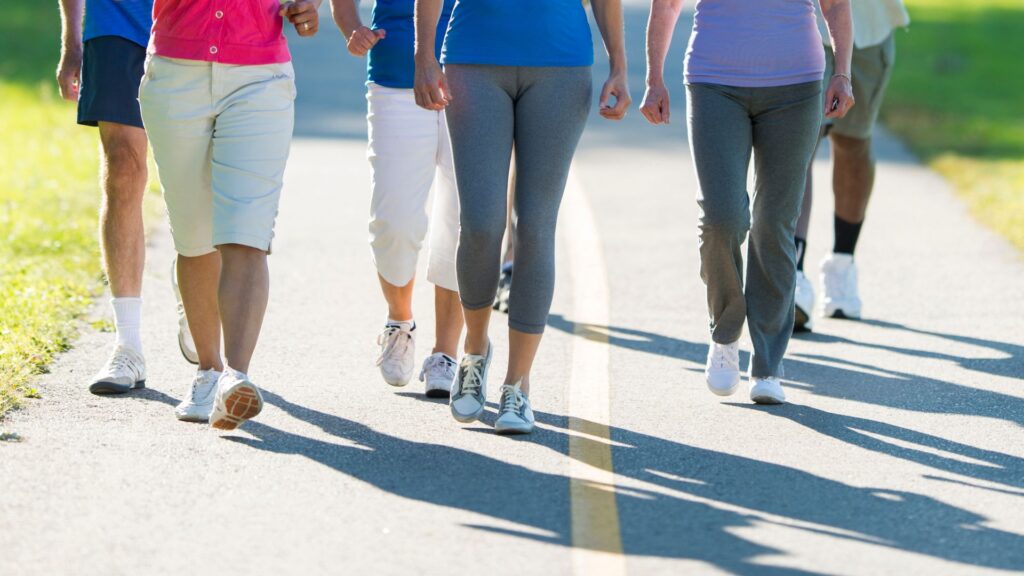
A group of people enjoying a brisk walk together on a paved, sunlit path surrounded by nature. This image highlights the lifestyle and social walking benefits, showing that physical activity can be an enjoyable, communal experience that supports long-term health and wellness goals.
Don't underestimate the power of a simple walk. Learn how this accessible, low-impact exercise delivers major walking benefits, from reducing chronic disease risk and aiding
Scroll to Top