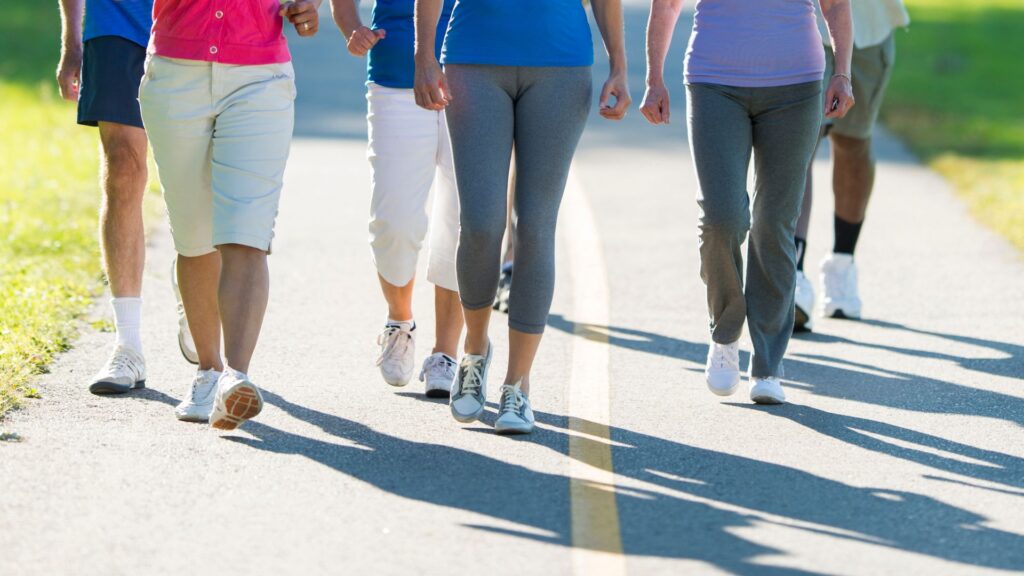
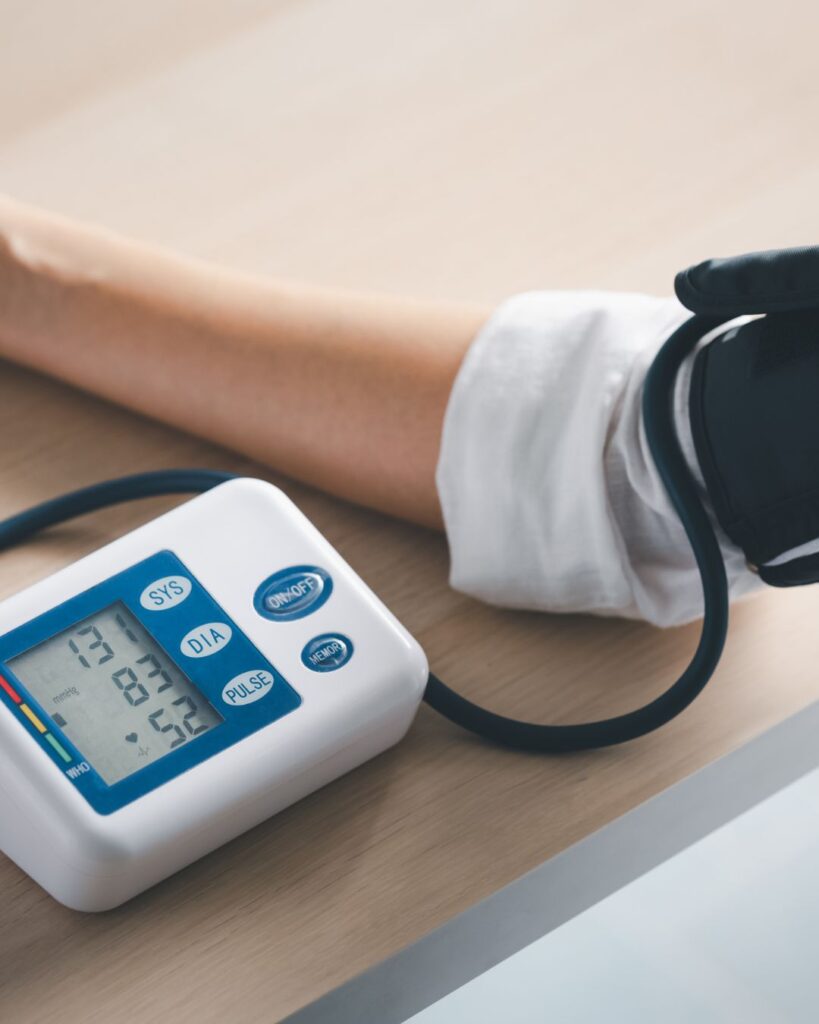
Heart Rate Variability (HRV) might sound technical, but it’s simply the variation in time between heartbeats. A higher HRV is generally linked to better resilience, lower stress, and improved cardiovascular health. One of the most accessible ways to improve HRV is through heart rate variability breathing, a practice that combines breathwork and nervous system regulation.
At our Temecula naturopathic clinic, we use HRV as a window into stress balance and overall well-being. Here’s what you need to know about HRV, breathing techniques, and how to support your body naturally.
What Is HRV & Why Does It Matter?
HRV is controlled by the autonomic nervous system, which has two main branches:
-
Sympathetic (“fight or flight”) – mobilizes energy during stress.
-
Parasympathetic (“rest and digest”) – supports recovery and calm.
When these systems are flexible and balanced, HRV is higher. Low HRV is associated with stress, anxiety, cardiovascular disease, and reduced adaptability.¹
Heart Rate Variability Breathing: How It Works
Breathing patterns directly influence HRV. Slow, rhythmic breathing stimulates the vagus nerve and strengthens parasympathetic activity. This helps calm the body, lower blood pressure, and improve emotional resilience.²
Optimal HRV breathing usually involves:
-
A slow pace: around 5–6 breaths per minute.
-
Balanced inhale and exhale times (e.g., 4–5 seconds in, 4–5 seconds out).
-
Gentle, relaxed breathing through the nose.
This pattern is sometimes called resonance breathing because it aligns heart rhythms and respiration, maximizing HRV.³
What the Research Says: Breathing & HRV
-
Stress & Anxiety Reduction
Multiple clinical studies show that HRV-guided breathing reduces anxiety and improves emotional regulation by strengthening vagal tone.⁴ -
Cardiovascular Benefits
According to the American Heart Association, HRV is a marker of cardiovascular health, and slow breathing practices improve blood pressure and heart function.¹ -
Sleep & Recovery
HRV breathing before bedtime may improve sleep quality by shifting the body into parasympathetic dominance.⁵ -
Resilience & Performance
Athletes and high-stress professionals often use HRV biofeedback and breathing to recover faster and perform better.³
Naturopathic Applications: Supporting HRV Naturally
At our clinic, we combine heart rate variability breathing with lifestyle and nutrition strategies for whole-body support:
-
Breathwork training – learning 5–10 minutes of HRV breathing daily.
-
Mind-body practices – yoga, tai chi, or meditation further improve autonomic balance.
-
Nutritional support – omega-3 fatty acids, magnesium, and adaptogens may support nervous system resilience.
-
Lifestyle foundations – regular exercise, good sleep hygiene, and stress management raise HRV naturally.
Practical Steps: Try HRV Breathing Today
Here’s a simple way to get started:
-
Sit comfortably, close your eyes, and relax your shoulders.
-
Inhale gently through your nose for 4–5 seconds.
-
Exhale slowly through your nose for 4–5 seconds.
-
Continue for 5–10 minutes, once or twice per day.
Over time, this simple practice can strengthen your nervous system and improve both heart and mind resilience.
Breath as a Path to Balance
Heart rate variability breathing is more than a relaxation technique. It’s a scientifically supported way to regulate your nervous system, improve cardiovascular health, and enhance stress resilience.
At our Temecula naturopathic clinic, we teach patients how to use HRV breathing as part of a personalized wellness plan. Combined with nutrition, movement, and lifestyle support, this practice helps unlock a healthier balance in everyday life.
Ready to strengthen your heart and calm your mind?
Schedule your discovery call today and learn how HRV breathing can support your health journey.
Sources:
-
Shaffer, F., & Ginsberg, J. P. (2017). An Overview of Heart Rate Variability Metrics and Norms. Frontiers in Public Health. https://doi.org/10.3389/fpubh.2017.00258
-
Lehrer, P. M., & Gevirtz, R. (2014). Heart rate variability biofeedback: how and why does it work? Frontiers in Psychology. https://doi.org/10.3389/fpsyg.2014.00756
-
American Heart Association. Heart Rate Variability and Cardiovascular Risk. Retrieved from https://www.heart.org/
-
Goessl, V. C., Curtiss, J. E., & Hofmann, S. G. (2017). The effect of heart rate variability biofeedback training on stress and anxiety: a meta-analysis. Psychological Medicine, 47(15), 2578–2586. https://pubmed.ncbi.nlm.nih.gov/28478782/
-
Lin, I. M., et al. (2019). Effects of HRV biofeedback on sleep quality and autonomic nervous system activity. Applied Psychophysiology and Biofeedback. https://doi.org/10.1007/s10484-019-09451-6