
What Is Gut Dysbiosis?
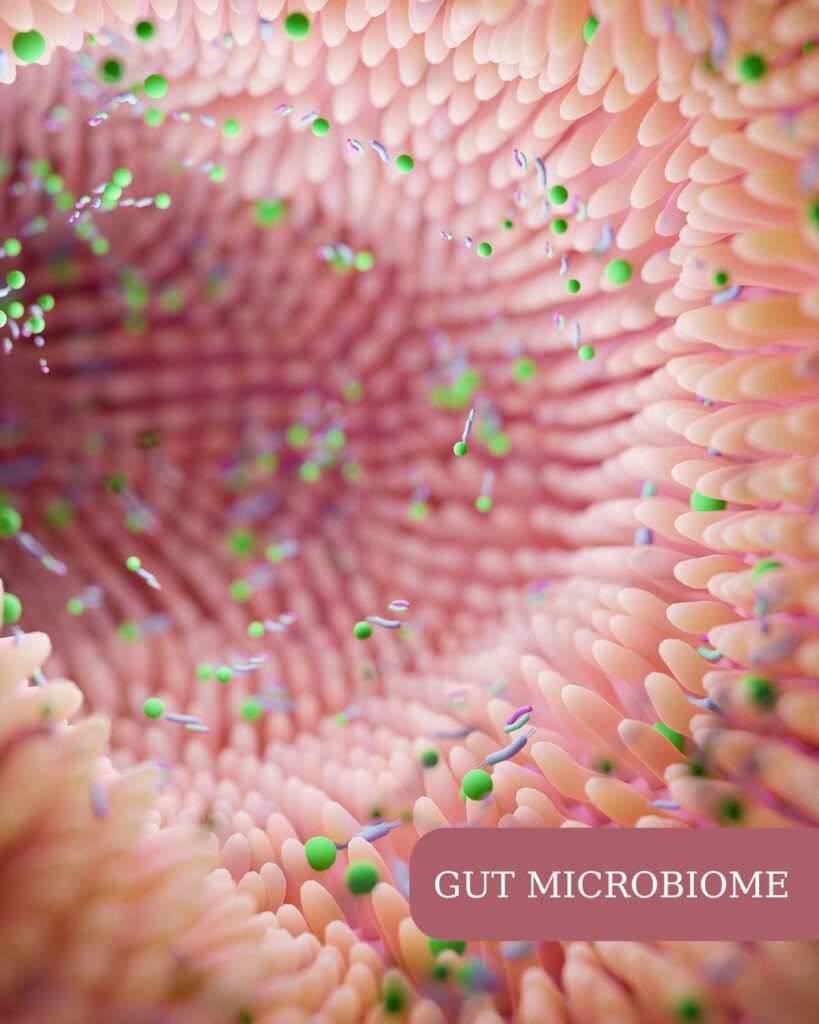
 Your gut is home to trillions of microorganisms—bacteria, fungi, viruses, and other microbes collectively known as the gut microbiome. When these microbes are in balance, they play a powerful role in digestion, immunity, inflammation, hormone regulation, and even brain health.
But when the balance is disturbed, when “bad” bacteria or yeasts overgrow and beneficial microbes decline, it results in gut dysbiosis.
Dysbiosis isn’t a disease in itself, but it’s been linked to a wide range of chronic conditions, including irritable bowel syndrome (IBS), inflammatory bowel disease (IBD), allergies, autoimmune disorders, metabolic issues, and even depression.1 2
What Causes Gut Dysbiosis?
Gut dysbiosis can be triggered by several lifestyle, dietary, and environmental factors, such as:
-
Frequent Antibiotic Use
Antibiotics don’t just kill harmful bacteria. They also wipe out good ones, disrupting microbial balance. -
Poor Diet
High-sugar, low-fiber, ultra-processed foods feed harmful bacteria and starve beneficial ones. -
Chronic Stress
Stress alters gut motility, secretions, and immunity, creating an environment where dysbiosis can thrive.3 -
Infections or Overgrowths
Pathogens like Clostridium difficile or overgrowths like Candida can push your gut ecosystem out of balance. -
Toxin Exposure
Environmental toxins, pesticides, and even heavy metals may influence gut microbial composition.
Signs and Symptoms of Gut Dysbiosis
Because your gut is connected to many systems in the body, symptoms of dysbiosis can vary widely and aren’t always digestive. Some of the most common include:
Digestive Symptoms:
-
Bloating, gas, and cramping
-
Constipation or diarrhea
-
Heartburn or indigestion
Systemic Symptoms:
-
Chronic fatigue or low energy
-
Food sensitivities
-
Skin issues like acne, eczema, or rashes
-
Brain fog, poor memory, or trouble focusing
-
Mood changes: anxiety, depression, irritability
-
Frequent illness or poor immune response
In one study, gut dysbiosis was even linked to impaired cognitive performance, particularly memory and attention, further highlighting the gut-brain connection.3
How Gut Dysbiosis Affects Your Health
1. Weakened Gut Barrier (“Leaky Gut”)
Dysbiosis can compromise the integrity of the intestinal lining, allowing toxins, microbes, and undigested food to “leak” into the bloodstream and trigger widespread inflammation.
2. Immune Dysregulation
Roughly 70% of the immune system resides in your gut. Dysbiosis can either overstimulate immune responses (leading to autoimmune symptoms) or suppress them (causing more infections).
3. Hormonal Disruptions
Gut microbes help metabolize estrogen and other hormones. An imbalanced microbiome can contribute to hormone-related issues, such as PMS, PCOS, or thyroid dysfunction.
4. Mental Health
Your gut produces neurotransmitters like serotonin and communicates with the brain via the vagus nerve. A disrupted microbiome can lead to anxiety, depression, and poor stress tolerance.1
How to Test for Gut Dysbiosis
Naturopathic or integrative clinics often use functional stool testing to assess microbial diversity, inflammation markers, and the presence of pathogens or overgrowths. These tests help personalize treatment strategies.
Naturopathic Approaches to Restore Gut Balance
The good news? With the right tools and support, gut dysbiosis is reversible. A naturopathic approach focuses on restoring balance through sustainable, root-cause solutions:
1. Nutrition and Microbiome-Supportive Foods
-
Increase fiber-rich foods (especially prebiotics like garlic, onions, leeks, and bananas)
-
Add fermented foods (e.g., sauerkraut, kimchi, kefir) to boost beneficial microbes
-
Avoid processed sugar, artificial sweeteners, and refined carbs that feed bad bacteria
2. Targeted Supplementation
-
Probiotics: Support microbial diversity and repair the gut lining
-
Prebiotics: Feed healthy bacteria
-
L-glutamine, zinc, and licorice root: Support gut barrier healing
-
Digestive enzymes: Help break down food more efficiently and reduce fermentation/gas
3. Stress Reduction
Daily stress-management practices like breathwork, meditation, or yoga support the gut-brain axis and reduce inflammation.
4. Lifestyle and Movement
Regular physical activity supports microbial diversity and promotes regular bowel movements, both essential for rebalancing gut health.
Trust Your Gut
If you’re dealing with bloating, brain fog, fatigue, or food sensitivities that just won’t go away, it’s worth looking deeper. Gut dysbiosis may be the hidden root cause.
You don’t have to settle for feeling “off.” With holistic, science-backed care, your gut can heal and so can your energy, mood, and overall vitality.
Ready to restore balance?
Schedule your discovery call today and begin your journey toward microbiome harmony, clear digestion, and vibrant health.
Sources:
1 Cleveland Clinic. “Dysbiosis.” https://my.clevelandclinic.org/health/diseases/dysbiosis
2 Chung, J. M., et al. “Human gut microbiome dysbiosis as a risk factor for colorectal cancer.” Frontiers in Microbiology, 2022. https://www.ncbi.nlm.nih.gov/pmc/articles/PMC8954387/
3 Sublette, M. E., et al. “Gut Microbiota and Cognitive Function: Associations in a Healthy Population.” PubMed, 2024. https://pubmed.ncbi.nlm.nih.gov/38321650/