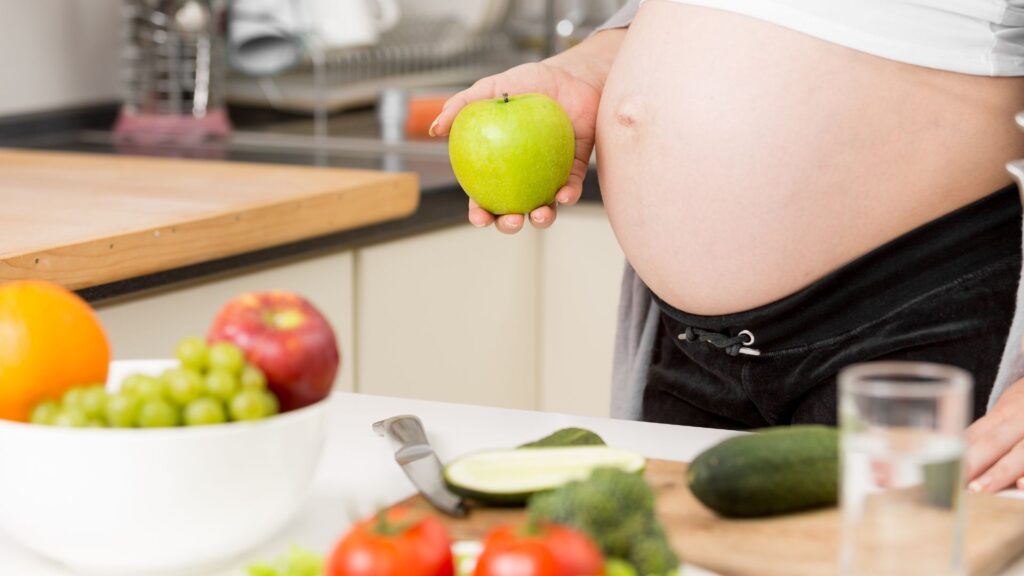
When you’re preparing to welcome a new life, the quality of your diet becomes more important than ever. Your daily meals are the source of all the building blocks—vitamins, minerals, and macronutrients—that fuel your baby’s rapid development. Rather than simply “eating for two,” focus on eating smarter, ensuring every bite contributes to a healthy pregnancy and supports your growing baby’s brain, bones, and tissues.
The key to optimal prenatal nutrition lies in prioritizing nutrient-dense prenatal foods from all major food groups.
The 5 Power Nutrients Your Body Needs
While a balanced diet is always the goal, pregnancy dramatically increases the demand for specific nutrients crucial for fetal growth and the prevention of complications. You should discuss your personalized needs and supplementation plan with your healthcare provider, but these nutrients are universally essential:
1. Folate/Folic Acid (Vitamin B9)
Folate is a vitamin B9 nutrient found naturally in foods, while folic acid is the synthetic form used in fortified foods and supplements.
For women who are pregnant or may become pregnant, getting enough folate/folic acid is vital because it helps to prevent serious birth defects such as neural tube defects (NTDs).¹
- Why it matters: Essential for cell division, tissue growth, and fetal and placental development.
-
Best prenatal foods: Natural folate-rich foods include dark green leafy vegetables (such as spinach and kale), broccoli, asparagus, legumes (beans, peas, lentils), citrus fruits (oranges, grapefruit), and other vegetables like Brussels sprouts and beets. Folic acid is provided through fortified products such as breakfast cereals, breads, pastas, rice, and cornmeal.
2. Iron
During pregnancy, your blood volume increases by up to 30%, raising your need for iron to make hemoglobin—the protein that carries oxygen to you and your baby.² Without enough iron, anemia can develop, increasing the risk of fatigue, preterm birth, and low birth weight.
- Why it matters: Supports increased blood volume, prevents maternal anemia, and aids in fetal development.
- Best prenatal foods: Lean red meat, poultry, fortified cereals, beans, and dark leafy greens. Pair plant-based sources with vitamin C foods (like oranges or tomatoes) to boost absorption.
3. Calcium and Vitamin D
Calcium helps build your baby’s bones and teeth, while vitamin D ensures your body can absorb and use that calcium effectively. During pregnancy, your calcium needs rise as more is transferred to the baby for bone growth. Low vitamin D levels can affect both maternal bone health and the baby’s development.³
- Why it matters: Supports fetal skeletal growth and maintains the mother’s calcium balance.
- Best prenatal foods: Low-fat dairy (milk, cheese, yogurt), calcium-fortified orange juice, salmon, and eggs.
4. Choline
Often overlooked, Choline is a powerhouse nutrient necessary for the baby’s brain development and helps prevent specific developmental abnormalities of the brain and spine.⁴
- Why it matters: Vital for healthy brain and nervous system development.
- Best prenatal foods: Eggs, lean meats, poultry, fish, and dairy products.
5. Iodine
Iodine is a mineral essential for the production of thyroid hormone, which is critical for your baby’s developing brain and nervous system.⁵
- Why it matters: Crucial for fetal cognitive development.
- Best Prenatal Foods: Iodized salt, seafood, eggs, and dairy products.
Building Your Prenatal Power Plate
To ensure you hit these nutritional goals, focus on incorporating a wide variety of foods from the following categories daily:
| Food Category | Why It’s Essential | Best Food Choices |
| Protein | Supports the baby’s rapid growth and helps your body make the extra blood needed for pregnancy. | Lean meats (beef, pork, chicken), eggs, beans, lentils, nuts, seeds, and tofu. |
| Dairy | Provides calcium, Vitamin D, and high-quality protein (casein and whey). | Low-fat milk, yogurt (especially Greek yogurt for extra protein), and pasteurized cheese. |
| Fruits & Vegetables | Packed with fiber to combat constipation, plus Vitamin C, Vitamin A, and folate. | Dark leafy greens, sweet potatoes (rich in Vitamin A/beta-carotene), citrus fruits, berries, and broccoli. |
| Whole Grains | Provides energy, B vitamins, and fiber. | Oatmeal, brown rice, whole-wheat bread, quinoa, and fortified breakfast cereals. |
| Healthy Fats | Contains Omega-3 fatty acids (EPA and DHA) crucial for your baby’s brain and eye development. | Salmon (low-mercury varieties), avocados, nuts (like walnuts and almonds), and olive oil. |
Food Safety Reminders
During pregnancy, food-borne illnesses like Listeriosis pose a higher risk and can harm the fetus.⁶ Always follow these guidelines:
- Cook Thoroughly: Cook all meat, poultry, eggs, and seafood to the recommended safe internal temperatures.
- Avoid Unpasteurized Products: Do not consume unpasteurized milk, juice, or soft cheeses (like Feta, Brie, or Blue-veined cheeses) unless the label explicitly states they were made with pasteurized milk.
- Handle with Care: Always wash raw fruits and vegetables thoroughly, and avoid eating raw sprouts (alfalfa, clover, radish) unless they are fully cooked.
Partner with Your Provider
Optimizing your diet during pregnancy doesn’t require perfection, but it does require mindfulness. By consistently choosing nutrient-dense prenatal foods, you provide the ideal environment for your baby to thrive.
The most important step is to personalize these guidelines. Every pregnancy is unique, and your needs for specific supplements like iron, Vitamin D, or Folic Acid may differ based on your medical history and dietary habits.
Ready to start building the healthiest foundation for your baby?
Schedule your preconception or first prenatal visit today and partner with your provider to personalize your nutrition, safety, and wellness plan.
Sources:
¹ U.S. Department of Agriculture, WIC Works. “Eye Nutrition: Folate and Folic Acid.” Retrieved from https://wicworks.fns.usda.gov/resources/eye-nutrition-folate-and-folic-acid
² American Society of Hematology. “Anemia and Pregnancy.” Retrieved from https://www.hematology.org/education/patients/anemia/pregnancy
³ Fiscaletti, M., Stewart, P., & Munns, C. F. (2017). The importance of vitamin D in maternal and child health: a global perspective. Public Health Reviews, 38(19). Retrieved from https://publichealthreviews.biomedcentral.com/articles/10.1186/s40985-017-0066-3
⁴ (Author(s) unknown). (Year unknown). “[Title unknown due to access error].” Retrieved from https://pmc.ncbi.nlm.nih.gov/articles/PMC10709661/
⁵ World Health Organization. “Iodine in Pregnancy and Lactation.” Retrieved from https://www.who.int/tools/elena/bbc/iodine-pregnancy
⁶ The American College of Obstetricians and Gynecologists (ACOG). “Listeria and Pregnancy.” Retrieved from https://www.acog.org/womens-health/faqs/listeria-and-pregnancy